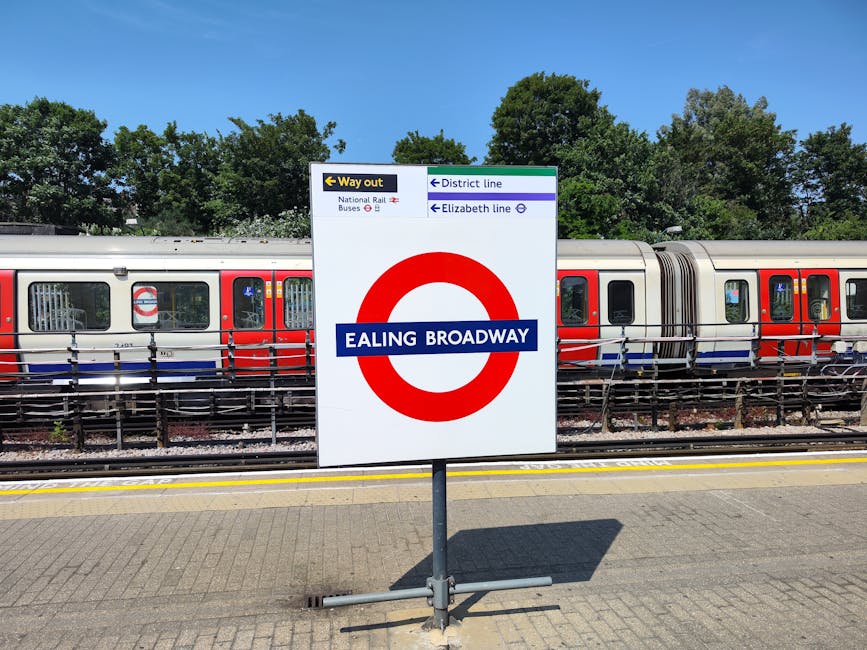
Mill Hill removals near Mill Hill Broadway station what to know
If you are planning a move around Mill Hill Broadway station, the details matter more than people expect. A short distance on a map can still mean awkward access, parking pressure, a busy street at the wrong moment, or a building with stairs that look fine until a sofa has to go up them. This guide to Mill Hill removals near Mill Hill Broadway station what to know brings the practical bits together so you can plan properly, avoid the usual moving-day headaches, and make better decisions about the kind of service you actually need.
You will find the main things to check before booking, how removals near a station usually work, which service options suit different moves, and a few lessons that people only learn the hard way. To be fair, moving is already stressful enough without guessing your way through the logistics.
Why Mill Hill removals near Mill Hill Broadway station what to know Matters
Mill Hill Broadway station is a useful local landmark because it shapes how a move feels in practice. Station-adjacent streets often have tighter parking, more passing traffic, and less room for a removal van to sit casually while boxes are loaded. If you are moving in or out of the area, those little constraints can turn into real delays if nobody plans ahead.
That is why local knowledge is worth paying attention to. A well-run move is not just about having a van and two people who can lift heavy things. It is about timing, access, route planning, the size of vehicle that can reasonably use the road, and how quickly items can be moved from front door to truck without blocking the pavement or causing friction with neighbours. In busy parts of north-west London, those details are the difference between a calm move and a slightly chaotic one.
There is also the human side. Near a station, people are often commuting, school runs are happening, and the roads can feel busy even when they are not gridlocked. If you have ever stood on a kerb with a mattress while a bus edges past, you will know the mood changes quickly. Good planning keeps the whole thing more civilised.
For a broader view of the service types available, it can help to look at the company's main removals service and, if you are moving furniture only, the dedicated furniture pick up option. Those pages are useful when you are comparing what kind of help you actually need, rather than assuming every move needs a full-scale operation.
How Mill Hill removals near Mill Hill Broadway station what to know Works
The process usually starts with a quick assessment of what you are moving, where from, and how easy it is to access both properties. Around a station area, that assessment matters more than usual. A ground-floor flat with a clear kerbside space is a very different job from a second-floor walk-up with no lift and a narrow hallway that seems to shrink when you add a wardrobe to it. Funny how that happens.
Most professional moves follow a similar pattern:
- Initial enquiry and inventory: You list the main items, rough volume, and move date.
- Access check: The mover asks about stairs, lifts, parking, loading space, and any restrictions at either end.
- Quote and service match: You are offered a van size and crew setup that suits the job.
- Packing and preparation: Boxes, protective wrapping, and dismantling happen in advance where needed.
- Collection and transport: Items are loaded carefully, secured inside the vehicle, and taken to the destination.
- Delivery and placement: Furniture is taken to the right rooms, and larger items may be reassembled if agreed.
That sounds simple on paper, but station-area logistics can complicate the loading stage. If your road is busy, the team may need to work quickly and neatly. If parking is limited, they may need to plan for a longer carry from van to door. And if you are in a mixed-use street with shops, flats, and residential parking, the timing window may be narrower than you think.
For that reason, local customers often choose between a full home move, a lighter man-and-van style booking, or a more tailored solution for specific items. The home moves page is the better fit for full-house relocations, while man and van suits smaller moves, collections, and jobs where flexibility matters more than a big crew.
One practical point that gets overlooked: the crew is only as efficient as the access allows. If you can shorten the walk from property to vehicle by even a few metres, you can sometimes save time, reduce handling, and lower the risk of bumps and scuffs. It is boring advice. It also works.
Key Benefits and Practical Advantages
Booking a removal service near Mill Hill Broadway station has some obvious benefits, but the most valuable ones are the quiet, practical ones. You are not just paying for transport; you are buying time, coordination, and a lot less lifting.
- Better local familiarity: A team used to the area is more likely to think about access, road widths, and loading points early.
- Less stress on moving day: A proper crew can keep the move moving, even when the street is busy.
- Safer handling: Heavy items are less likely to be dropped, dragged, or squeezed through doorways at odd angles.
- More suitable vehicle choice: The right van size avoids wasted trips or cramped loading.
- Cleaner coordination: Packing, loading, transport, and unloading can be managed in a sensible sequence.
Another benefit that people appreciate only after the fact is predictability. A move with a station nearby often has more moving parts than a suburban cul-de-sac. If the mover knows what they are doing, they will reduce uncertainty early rather than improvising on the day.
For office or business moves near the station, the advantages are even clearer. Time lost in a commercial relocation can mean missed calls, delayed opening hours, and frustrated staff. If that sounds familiar, the company's office removals and broader commercial moves pages are worth reviewing because business moves often need more structured planning than domestic ones.
Expert summary: The best removals near Mill Hill Broadway station are rarely the cheapest-looking ones at first glance. They are the ones that ask the right questions early, plan for access honestly, and match the vehicle and crew to the reality of the street.
Who This Is For and When It Makes Sense
This kind of local removal support makes sense for a few different groups. First-time renters, long-time homeowners, landlords, office managers, students, and people moving just a few streets away can all benefit from a properly planned service. The common thread is simple: if you have more than a few boxes and do not want to spend the day carrying furniture in and out of a building, professional help usually pays for itself in sanity alone.
It is especially useful if:
- you are moving to or from a flat near the station;
- parking is limited where you live;
- you have large or fragile items;
- you are moving on a tight schedule;
- you need help with packing, loading, or unpacking;
- you want one point of contact rather than juggling friends, lifts, and last-minute favours.
A lot of people also use removals services for partial moves. Maybe you are moving most of the house yourself but need help with a sofa, a bed, and the dining table. Maybe you are clearing out storage, or sending furniture to another address. In those cases, a lighter vehicle or a man with a van style service can make more sense than booking a bigger team.
If you are comparing providers rather than simply trying to get a job done, the removal company and removal services pages are useful for understanding the breadth of support available. And if you are moving on a tighter budget, the page for pricing and quotes is the sensible place to start. Nobody loves comparing quotes, but there we are.
Step-by-Step Guidance
If you want a move near Mill Hill Broadway station to go well, break it into stages. The biggest mistake people make is treating moving day as the first time they think about the move. By then, you are already on the back foot.
1. Confirm your moving date and time window
Station-area moves work best when the schedule is realistic. If you can avoid the heaviest traffic periods, do so. If you cannot, build in extra time. It is far less stressful to have a buffer than to feel the clock ticking while a wardrobe is still on the landing.
2. Check access at both addresses
Walk the route from the front door to the street. Look at steps, lifts, narrow corners, tight gates, and parked cars. A ten-second mental note can prevent a ten-minute delay later. If there is any awkwardness, mention it early.
3. Decide what level of service you need
For a full household move, a dedicated home move service is usually the cleanest choice. For fewer items or mixed pickup/drop-off tasks, a van-based option may be enough. If you need help on a smaller job, the man and van removals page gives a good indication of the type of flexible support available.
4. Pack with loading in mind
Pack heavier items into smaller boxes. Keep fragile items separate. Label boxes clearly, but not in a way that reads like a puzzle. "Kitchen - plates" is fine. "Miscellaneous important stuff" is not helpful, no matter how many people do it.
5. Reserve parking or loading space if needed
If access is likely to be tight, ask how the removal vehicle will load. Sometimes the difference between a smooth move and a frustrating one is as basic as whether the van can stop close enough to the entrance.
6. Prepare a room-by-room plan
At the destination, know where the larger pieces should go. It saves a lot of back-and-forth and avoids the classic "put it anywhere for now" moment that somehow becomes permanent.
7. Keep essentials with you
Documents, chargers, medication, keys, a kettle, and a change of clothes should stay close. The first evening in a new place always feels easier when you can make tea without hunting through fifteen boxes.
If you need packing help, it is worth checking packing and unpacking services. That can be a lifesaver when time is short or you simply do not want to spend the weekend surrounded by tape and cardboard dust.
Expert Tips for Better Results
After enough moves, a pattern emerges. The best outcomes usually come from straightforward preparation, not dramatic effort. A few small choices make a big difference.
- Share access details early: Mention stairs, lift size, key collection, and parking before the quote is finalised.
- Take photos of awkward items: A wardrobe, sofa, or antique mirror can look very different in person than in a brief description.
- Keep a buffer for delays: Station-area traffic can be unpredictable, especially during school-run hours or later in the day.
- Use proper wrapping: Blankets, covers, and tape protect surfaces better than hoping for the best.
- Separate valuables: Put passports, electronics, and small personal items somewhere you can reach them instantly.
- Ask about reassembly: If a bed or table needs dismantling, check whether that is included or arranged separately.
A small one, but useful: if you are moving from a flat near Mill Hill Broadway on a damp morning, cardboard can get soft faster than you expect. Keep boxes off wet pavements where possible and try not to leave them sitting in the rain while everyone is hunting for a front-door key. Sounds obvious. Still happens.
For larger vehicles or heavier loads, you may also want to understand the kind of transport involved. The pages for moving van and moving truck are relevant if you want to think through capacity, access, and vehicle suitability before booking.
Common Mistakes to Avoid
Most moving problems are predictable. That is the annoying part. Fortunately, it also means they are avoidable.
- Underestimating access issues: Many people think "it will be fine" until the van arrives and realises it is not fine.
- Booking too late: Popular moving days fill quickly, especially around month-end and weekends.
- Packing too heavily: Overstuffed boxes are a back injury waiting to happen, and they often split at the worst moment.
- Not measuring furniture: A sofa that fits the room does not always fit the staircase.
- Leaving essentials inside the van: Keep the things you need first within reach.
- Ignoring building rules: Some blocks have shared entrances, restricted hours, or lift booking systems.
There is also the classic mistake of choosing a service purely on price. Cheapest is rarely the best guide. Sometimes it works out fine, of course. But if a quote is far below the others, ask what is actually included. A move is not a mystery box; if the price looks too clean, something may be missing.
If you are comparing multiple providers, the removal companies page can help frame what a proper service should cover, while man with van removal is a useful option to understand if your job is more compact and flexible.
Tools, Resources and Recommendations
You do not need fancy equipment to move well, but a few basics help a lot. Think in terms of preparation, protection, and clarity.
- Packing tape and dispensers: Faster, cleaner sealing than wrestling with loose tape rolls.
- Marker pens and labels: Clear room labels cut down on confusion at the new address.
- Furniture blankets and covers: Good for protecting corners, polished surfaces, and doors.
- Protective wrap: Useful for drawers, glass, and anything that shifts during transport.
- Simple inventory list: A quick checklist helps you spot if something is left behind.
- Phone flashlight: Surprisingly handy in hallways, under beds, and behind radiators.
From a service perspective, the most useful pages to review are the ones that help you understand what level of help suits your move. For domestic moves, the house removals and house movers pages are a good place to start. If you need a more hands-on team for specific furniture items, the movers page is also worth a look.
And if your move involves old items you are not taking with you, it can make sense to arrange a separate collection. The furniture pick up service is the kind of practical option that often clears the last bit of clutter before a move. Less to move. Less to stress about.
Law, Compliance, Standards, or Best Practice
For a removals job near Mill Hill Broadway station, the legal and practical side is mainly about safe operation, fair handling of property, and responsible transport. You do not need to be an expert in regulations to book a mover, but it helps to know what a reputable company should take seriously.
At a minimum, best practice usually includes:
- Clear terms and conditions: So you know what is included and what happens if plans change.
- Appropriate insurance and safety practices: Useful for peace of mind around goods in transit and handling risks.
- Care with manual handling: Heavy lifting should be done with the right technique and team support.
- Respect for buildings and neighbours: That means avoiding damage, keeping noise sensible, and not blocking access longer than needed.
- Transparent payment and security arrangements: Helpful when deposits, balances, or card payments are involved.
You can read more about these standards through the company's own policy pages, including insurance and safety, health and safety policy, payment and security, and terms and conditions. Those pages are not thrilling reading, granted, but they do matter when you want a reliable service rather than vague reassurance.
For businesses, it is also sensible to review the office relocation services page if the move affects staff access, equipment, or opening hours. Office moves have their own rhythm, and trying to treat them like a home move usually ends in a mess of cables and missing labels.
Options, Methods, or Comparison Table
Choosing the right type of move depends on volume, access, and how much help you want with packing and lifting. Here is a practical comparison.
| Option | Best for | Typical strengths | Watch-outs |
|---|---|---|---|
| Full home removals | Complete house or flat moves | Structured, efficient, good for larger loads | Needs accurate access details and planning |
| Man and van | Smaller moves, single items, mixed pickups | Flexible, often quicker to arrange | May not suit very large or complex jobs |
| Packing and unpacking support | Busy households, time-poor movers | Saves time and reduces stress | Needs advance coordination |
| Commercial move | Offices, workspaces, trade setups | Useful for organised relocation and downtime reduction | Requires tighter scheduling and stakeholder planning |
There is no single "best" option. A small flat near the station may only need a van and careful loading. A full family move across town may need a larger crew and proper packing support. The trick is matching the method to the job, not the other way around.
If you are leaning toward a lighter solution, the pages for man with a van and removal van are especially relevant. If you are moving more than expected, then a broader removal services approach may be the safer choice.
Case Study or Real-World Example
Picture a couple moving from a second-floor flat a short walk from Mill Hill Broadway station to a house a few streets away. On paper, it sounds simple. In reality, they have a narrow staircase, a bulky sofa, a cot that needs dismantling, and a loading space that is shared with other residents. Not disastrous, but certainly not a quick "just throw it in the van" job.
They start by listing the main items honestly, rather than estimating from memory. That turns out to matter, because the first quote they receive assumes a smaller vehicle than would really be comfortable. The second quote asks about stairs, parking, and a possible disassembly job. That one feels more realistic straight away.
They pack the non-essentials a few days early and label room by room. The mover arrives when the street is quieter, which helps with loading. One person stays with the items being carried, while the other keeps keys, documents, and phone chargers in a separate bag. Nothing dramatic. Just tidy, sensible choices. The move finishes without the late panic that often comes from poor planning.
That is the pattern you want. Not perfection. Just a move that feels controlled enough that you can breathe. And yes, the tea tastes better when the kettle arrives in one piece.
Practical Checklist
Use this before the moving day. It keeps the last-minute scramble down to a manageable level.
- Confirm the move date, time, and address details.
- Check stairs, lift access, and doorway widths.
- Ask about parking or loading space near both properties.
- Measure any large furniture that might need dismantling.
- Decide whether you need packing help or only transport.
- Label boxes by room and priority.
- Keep essentials, documents, and valuables separate.
- Protect floors, corners, and delicate surfaces where needed.
- Review insurance, payment, and terms before the day.
- Keep a phone charged and easy to reach.
- Prepare a quick list of items that must not be left behind.
Small checklist, big difference. Really.
Conclusion
If you are planning Mill Hill removals near Mill Hill Broadway station what to know, the short version is this: local access, realistic timing, and the right type of service matter more than most people expect. A move near the station can be smooth and efficient, but only if you respect the practical details from the start. Parking, building access, packing quality, and vehicle choice all play a role.
The good news is that once you understand the shape of the job, the rest becomes much easier. You can compare options properly, choose a service that fits your situation, and avoid the kind of avoidable stress that makes moving feel twice as hard as it needs to be.
If you want to explore the company's service range, policy information, and quote process in more detail, the most helpful places to start are about us, pricing and quotes, and contact us. It is often the simplest next step, and sometimes simple is exactly what you need.
Get a free quote today and see how much you can save.
Move well, keep it steady, and give yourself one less thing to worry about on the day.
Frequently Asked Questions
What should I know before booking removals near Mill Hill Broadway station?
Focus on access, parking, building restrictions, and the amount of furniture or boxes you actually have. Near a station, those details can affect timing and vehicle choice more than the distance itself.
Is a man and van enough for a move near the station?
Sometimes, yes. If you are moving a small flat, a few bulky items, or doing a partial move, a man and van service may be a good fit. For larger households, a fuller service is usually safer.
How far in advance should I book?
As early as you can, especially if you are moving at month-end, on a weekend, or during a school holiday period. The more notice you give, the easier it is to match the right crew and vehicle to the job.
Do I need to arrange parking for the removal van?
It depends on your street and local access. If parking is limited, it is worth checking in advance how close the van can reasonably stop. That can make a big difference to loading time.
Can removal teams help with packing too?
Yes, if you choose a service that includes it. The packing and unpacking services page is useful if you want support beyond transport and lifting.
What if I only need to move a sofa or one or two items?
Then a furniture collection or smaller van-based booking may be more appropriate than a full household move. The job should fit the service, not the other way around.
Are office moves handled differently from home moves?
Yes. Office relocations usually need tighter scheduling, equipment handling, and a plan for downtime. If that sounds like your situation, the office removals and office relocation services pages are worth reviewing.
What should I do with items I do not want to take?
Set them aside early and decide whether to sell, donate, recycle, or arrange a separate collection. If you want a practical hand-off option, look at the furniture pick up service.
How do I compare quotes fairly?
Compare what is included, not only the headline price. Check access assumptions, packing support, waiting time, dismantling, and insurance-related details. A transparent quote is usually the better value.
What if my building has stairs and no lift?
Say so early. Stairs change the amount of time and handling involved. A good mover will want to know this before the job starts, not after they arrive with a van full of furniture.
Is there a difference between removals and removal services?
In everyday use, the terms overlap a lot. "Removal services" is broader and can include packing, loading, transport, and unloading, while "removals" often refers more generally to the moving job itself.
What documents or valuables should I keep with me?
Keep passports, keys, medication, bank cards, chargers, and any important paperwork with you. Do not leave those mixed in with random boxes. That way lies frustration.