Recycling and Sustainability at Mill Hill Removals
 At Mill Hill Removals, sustainability is built into the way we plan, pack, transport, and dispose of materials. Our approach to recycling is practical, measurable, and designed to reduce landfill waste wherever possible. We aim to recycle at least 85% of suitable non-hazardous items collected during moves, clearances, and packing operations, while continuously reviewing processes to improve that figure. This recycling commitment helps us support local communities and reduce the environmental impact of every move.
We work across a wide range of London neighbourhoods and surrounding districts, where local boroughs often use different systems for waste separation, textile collections, and bulky-item disposal. That means our removals recycling process must be flexible and informed. Cardboard, metal, clean timber, plastics, and reusable household goods are sorted carefully, while items that require special handling are routed to appropriate facilities. By aligning our sustainable removals practice with local expectations, we make it easier to manage waste responsibly and lawfully.
Our team also supports reuse before recycling. If furniture, appliances, books, or office equipment are in good condition, we prioritise donation and redistribution through trusted charity partnerships.  This reduces waste and gives useful items a second life. When reuse is not possible, materials are broken down and separated for recycling at approved sites. The result is a more circular approach to moving and clearance work, with less going to landfill and more kept in circulation within the local area.
How We Handle Waste Responsibly
Every move generates different types of waste, from bubble wrap and tape to redundant furniture and mixed packaging. Our recycling and sustainability system starts with sorting at the point of collection. Recyclable cardboard is flattened, polystyrene is separated where facilities allow, and metals are diverted to scrap recovery streams. In boroughs with stricter separation rules, we follow the local model closely to ensure waste is delivered in the correct format. This helps improve recovery rates and supports borough-level targets for cleaner disposal.
We use a network of local transfer stations and waste facilities to keep journeys short and reduce unnecessary mileage.  By choosing nearby transfer stations whenever possible, we lower fuel use and improve efficiency. These sites allow different waste streams to be weighed, checked, and directed into the right recycling route. That localised system is particularly important for removals recycling services, because it helps us separate mixed load items without relying on long-haul disposal trips.
Our sustainability process also extends to office and commercial removals. Old filing cabinets, desks, monitors, and office chairs are assessed for reuse, refurbishment, or recycling. If a borough requires separate collection of electronics, wood, or metal, we follow that framework carefully. This attention to detail supports compliance and reduces contamination in recycling loads. For businesses seeking a low-waste removal solution, that means their unwanted items are handled with care rather than simply discarded.
Charity Partnerships and Reuse First
 One of the most meaningful parts of our Mill Hill Removals sustainability strategy is our partnership with charities and community organisations. We regularly identify items that can be reused, including tables, chairs, wardrobes, kitchenware, and books. Where appropriate, these are separated for donation rather than recycling. This approach is especially valuable during home clearances, student moves, and downsizing projects, when many useful items still have plenty of life left in them.
These partnerships help us reduce waste and support people who can benefit from affordable household essentials. They also reflect a wider shift in how local areas think about waste: reuse first, recycle second, dispose last. In some boroughs, residents are encouraged to separate textiles, small electricals, food waste, and dry mixed recyclables more carefully than before. We mirror that same mindset in our operations, ensuring that the contents of each load are assessed against the best environmental option available.
When items cannot be donated, we still aim to recover as much value as possible through recycling channels. Timber can often be processed separately, metal can be sent for smelting, and clean plastic packaging may be suitable for specialist recovery. Our goal is to treat every load as a resource stream rather than waste. That is why our sustainable removals service is structured around hierarchy: reuse, recycle, recover, and only then dispose responsibly.
Low-Carbon Vans and Efficient Transport
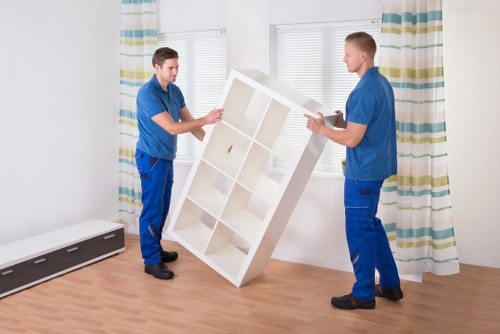 Transport is another key part of our environmental approach. We are expanding the use of low-carbon vans in our fleet, choosing vehicles designed to reduce emissions and improve fuel efficiency. These vans support our efforts to cut the carbon footprint associated with local and regional moves. By planning routes carefully and combining collections where possible, we minimise unnecessary trips and reduce congestion-related emissions.
Our drivers are trained to load vehicles efficiently, which means fewer journeys and better use of capacity. Efficient packing not only protects items in transit, it also helps lower fuel consumption by reducing the number of return runs. For customers looking for eco-friendly removals, this makes a real difference. It is not just about the vehicle itself, but about how the whole service is managed from start to finish.
We continue to review our methods so that our recycling percentage target remains realistic, ambitious, and transparent. As local recycling facilities evolve and borough waste systems improve, we adapt our sorting and collection processes to match. Our aim is simple: to offer a modern removals and recycling service that respects the environment, supports local charities, and makes practical use of the resources already in circulation.