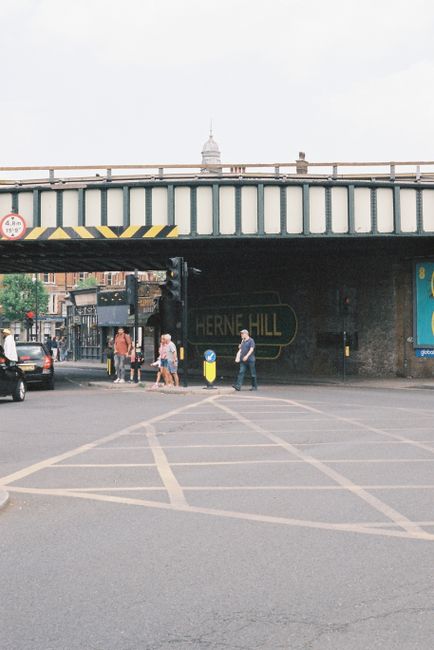
Mill Hill Removals in Mill Hill

Mill Hill removals should feel organised, steady and practical from the first conversation to the last item being placed in its new room. We help households and businesses move with a service built around careful handling, sensible planning and clear communication. Whether you are moving from a flat, a family home or premises with office furniture, the aim is to make the work straightforward without cutting corners on protection or attention to detail.
Our main service covers local and longer-distance removals, with support for packing, loading, transport and unloading where needed. We also handle smaller moves, mixed loads and moves that need a man and van style approach. If you want to compare options or understand how a move might be priced, you can start by reviewing our pricing and quotes information before asking for a quotation.
For customers who want a fuller picture of the range we cover, our wider removal services page sets out the main types of moving work we provide. That can be useful if you are deciding between a simple transport-only move and a more involved service that includes packing help, furniture handling or multiple collection points.
Domestic removals planned around the move
House moves are easier to manage when the work is broken down into practical stages. We can help move furniture, boxes, white goods and everyday belongings in a way that suits the size of the property and the amount of access available. The approach matters just as much as the vehicle: staircases, narrow entrances and parking restrictions all influence how a domestic move should be handled, so the plan needs to be sensible as well as efficient.
Our home moves service is designed for people moving from one residence to another and needing a coordinated moving day. If the move is specifically for a family house or a similar property type, the house removals page may be the better fit. We also list house movers and house removalists for customers who are comparing wording and looking for a domestic move service that suits their particular enquiry.
Typical domestic removals involve a mixture of delicate items, everyday storage and furniture that needs to be dismantled or protected before transport. Good preparation reduces delays, but the job still needs the right handling on the day. If you are gathering information for a quote, it helps to note the property type, the main rooms involved and any bulky items that may need extra care. Clear access details also make it easier to suggest the right vehicle and loading method.
Packing support and move preparation

Packing is often the difference between a move that feels controlled and one that becomes difficult to manage. We can support customers who want assistance with packing materials, wrapping fragile pieces and preparing rooms so that loading can happen in an orderly sequence. Some moves only need a few carefully packed items, while others benefit from a more complete packing and unpacking plan. Either way, the aim is to keep belongings organised and reduce unnecessary handling.
Our packing and unpacking services page is the best place to look if you want help at the beginning or end of the move as well as during transport. Packing support can be useful for glassware, books, ornaments, kitchen items and mixed household contents, especially where the customer wants items grouped sensibly rather than packed in a rush. It also helps when several rooms are being moved and the order of loading matters.
There are a few straightforward ways to prepare for this kind of work. First, keep aside anything that will travel separately or stay behind. Second, mark fragile pieces clearly where that is helpful. Third, think about the items that will be needed immediately at the new property so they can be set aside. A short list can save time, but it does not need to be complicated. The more organised the rooms are, the easier it is to move with care.
Small loads, mixed items and van-based moves
Not every job needs a full household move. Some customers only need a few larger items transported, while others have a partial move involving boxes, furniture and awkward pieces that do not fit easily into a car. For those situations, a van-based service can be a practical choice because it is flexible enough for lighter removals while still being organised enough for careful loading and delivery.
You may find our man and van and man with van pages helpful if you are comparing smaller moving options. We also list man with van removal and man with a van for customers who are looking for similar support with a simpler vehicle-led move. These pages are useful when the work is modest in scale but still needs handling by someone who understands the loading order and safe carrying of household items.
A smaller move can still benefit from proper organisation. Items should be grouped so that the most delicate pieces are not buried underneath heavier furniture, and there should be enough room in the van for secure loading. If the job includes a furniture pick-up, single-room move or a few well-chosen pieces, keeping the plan straightforward often produces the best result. That is especially true when access or parking is tight and every minute on site needs to count.
Office removals and commercial moving
Commercial moves need careful sequencing because furniture, paperwork, IT equipment and storage items often have different handling requirements. We help with office removals that need a steady, organised process rather than a rushed shift of everything at once. Desks, chairs, filing units and boxed contents can be managed in an orderly way so that the move supports business continuity as much as possible within the agreed schedule.
If you are planning a workplace move, our office removals and office relocation services pages explain the type of commercial work we cover. For larger or more involved jobs, the commercial moves page sets out a broader service that can suit businesses moving stock, furniture or working equipment. These pages can help you identify whether your move needs simple transport or more coordinated removal support.
Commercial customers often need a plan that takes account of access times, building rules and item priorities. The most important equipment may need to move first, while other furniture can follow once space is clear. It is also sensible to think about what must be kept accessible at the destination so that work can resume as smoothly as possible. A move that is well ordered before loading often reduces stress later in the day.
Vehicle options and transport choices

The right vehicle depends on the size of the load, the shape of the furniture and the amount of access available at each end of the move. Some customers need a compact vehicle for a few items, while others need something more substantial for a larger household or commercial load. Choosing a sensible vehicle helps protect items in transit and prevents unnecessary trips, provided the move has been described clearly at the outset.
Our site includes several transport-related pages such as moving van, moving truck, removal van and removals van. These destinations are useful if you want to understand the style of vehicle normally associated with the move. The general movers and removals pages can also help when you are comparing the service as a whole rather than focusing only on the vehicle.
When people ask for a quotation, it is often useful to separate the load into categories: furniture, boxes, appliances and any unusually heavy or fragile items. That does not mean you need a perfect inventory, but a practical outline makes it easier to judge the amount of space and care required. If the move includes bulky items such as wardrobes or tables, it also helps to mention whether they will need dismantling or reassembly before transport.
What affects the cost of a move
Removal pricing usually depends on more than distance alone. The volume of items, the number of rooms, access at both properties, the need for packing support and the type of vehicle all influence the work involved. A short journey can still take time if loading is awkward, while a longer route may be straightforward if the item list is modest and the access is simple. That is why a good quotation starts with a clear description of the job rather than a rough guess.
If you are comparing options, the pricing and quotes page is a useful starting point. Some customers also like to read the insurance and safety information to understand how the work is approached and what care is taken when handling belongings. For general company details, the about us page can help, but it is the move itself that determines the most relevant quotation details.
To prepare a focused enquiry, it is usually enough to mention the addresses involved, the size of the property, any awkward access and the main items that need moving. If there are stairs, limited parking or fragile belongings, those details matter because they change how the job is organised. Accurate information is more helpful than a long description, and it allows the quotation to reflect the real work rather than an average assumption.
Safe handling, protection and care in transit
Moving a property is about more than lifting boxes. Furniture needs to be protected from knocks, fragile items need sensible packing and the load needs to be arranged so that it remains stable in transit. That is especially important for mixed moves where a few delicate belongings sit alongside larger household pieces. Careful handling reduces the chance of damage and helps the delivery feel calm and organised rather than hurried.
Our health and safety policy and insurance and safety pages set out the general standards that guide our work. If sustainability matters to you, the recycling and sustainability page explains how we think about responsible disposal and material use. These pages are useful where a customer wants to understand the broader approach behind the move, not just the transport side of the job.
Safety also affects the way a move is planned in the property itself. Heavy items should be carried with enough space to avoid scraping walls or door frames, while fragile items need sensible wrapping and separation from denser furniture. Stable loading, patient carrying and clear sequencing all contribute to a better result. A move can be efficient without being rushed, and in most cases that balanced approach is the most reliable one.
Preparing your enquiry and choosing the right service

A clear quotation request usually begins with the basic facts: what is being moved, where it is going and when the move needs to happen. You do not need to write an essay, but it helps to include the property type, the rooms involved and any large items such as sofas, beds, wardrobes, desks or appliances. That information allows the move to be matched more accurately to the correct service level.
For customers comparing the full range of services, the removal company, removal companies and removals near me pages can be useful signposts, while the furniture pick-up page is helpful where the job is more item-specific. If you need more detail on business information before contacting us, the contact us page is the final place to go for a quotation request.
When you are ready, keep the request simple and include anything that may affect lifting, access or timing. If the move includes storage contents, split deliveries or multiple stops, mention that too. A straightforward enquiry is usually enough to start the conversation, and it makes it easier to suggest the most suitable approach for the work. One clear message is generally better than several incomplete ones.
About Mill Hill
Mill Hill is a district in the London Borough of Barnet, in north-west London, with a history that reaches back well before modern suburban development. The area is known for its mix of older village character and later residential expansion, especially around the higher ground near the historic village core. One of its best-known landmarks is Mill Hill School, founded in the 19th century, which reflects the area’s long association with education and substantial grounds. The district also includes a number of open spaces, among them Mill Hill Park and the wider countryside around Totteridge Valley, which help shape the local landscape and provide contrast to the built-up streets.
The place name is often associated with a gently elevated setting, and that topography has influenced the way the area has developed over time. Local roads connect the older centre with surrounding neighbourhoods, while rail links and bus routes tie Mill Hill into the wider London network. The area’s built environment is varied, ranging from period properties and established residential streets to more recent housing and mixed commercial uses. This combination gives Mill Hill a layered character rather than a single uniform style. Nearby heritage and landscape features, including long-standing churches, school buildings and green corridors, add to its sense of continuity. The result is a district that feels suburban but still retains traces of its earlier identity as a distinct settlement beyond central London.
Local removals built around practical outcomes
Every move needs the same basic things: a sensible plan, enough carrying capacity and a careful approach to loading and unloading. From there, the details change according to the type of property and the items involved. A family move may need attention to beds, wardrobes and boxed household contents, while a smaller flat move may be more about making the best use of space and time. The common thread is that the work should be organised before the vehicle is loaded.
Our house removals, home moves and man and van removals pages show the different ways we can approach this kind of work. If you are still comparing routes, the removal services page gives a wider overview, while the contact us page is the place to use when you are ready to ask for a quotation for your own move. Please share the main details and we can help you choose a suitable option.
The most useful enquiries tend to be the ones that describe the move plainly. Number of rooms, type of property, approximate load size and any difficult access points are usually enough to begin. If you know which items need special care, include those as well. A well described move gives a better foundation for scheduling, planning and pricing, and it helps ensure the service matches the task rather than relying on assumptions.
Choosing a removals service with confidence

People often look for a removals service when they want the moving day to feel less disruptive and more manageable. The best approach is usually the one that fits the actual job, whether that means a full household removal, a commercial move or a smaller transport-only job. We keep the focus on the practical parts of the process: getting belongings loaded safely, moving them efficiently and delivering them in the order that makes sense for the destination.
If you want to explore the service range further, you can look at our removal company, removal companies and movers pages, then use the contact us page when you are ready to request a quotation. Tell us what needs moving, where it needs to go and whether there are any access issues, and we can take it from there.
Mill Hill removals should be simple to arrange and carefully handled on the day. If you are planning a move soon, start with the main details, choose the service that best matches the job and send through your enquiry when you are ready. A clear quotation request is the best first step, and it gives you a practical basis for moving ahead with confidence.