Health and Safety Policy for Mill Hill Removals
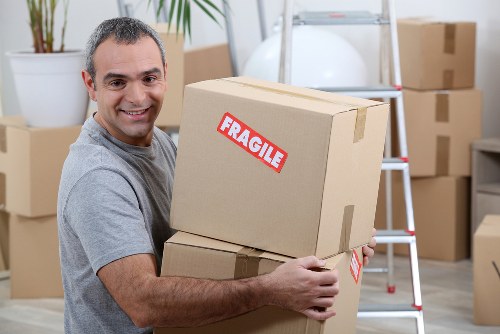 Mill Hill Removals is committed to maintaining a safe, professional, and responsible working environment for employees, customers, contractors, and members of the public. This health and safety policy sets out the principles and working standards that guide all removal activities, from packing and lifting to transport, storage, and delivery. Our aim is to reduce risk, prevent injury, and ensure every move is completed with care, planning, and attention to detail.
We recognise that moving services can involve physical effort, busy premises, heavy items, and changing surroundings. For that reason, the removals health and safety policy focuses on practical control measures, clear communication, and consistent staff behaviour. Everyone involved in a move must take reasonable steps to protect themselves and others, and all work must be carried out in a way that supports safe operations.
Health and safety is not treated as a separate task; it is part of everyday practice. From the initial assessment of a property to the final placement of furniture, our team follows safe systems of work designed to manage hazards and maintain service quality. This includes using correct equipment, planning access routes, and identifying any risks before lifting or moving begins.
Responsibilities and Standards
The management team holds overall responsibility for implementing this health and safety policy. It is their duty to provide suitable training, monitor working conditions, and ensure that procedures remain effective. Supervisors are expected to lead by example, check that safe practices are being followed, and stop work if conditions become unsafe. All staff members are required to act responsibly and report concerns promptly.
Employees must use equipment correctly, wear any required protective clothing, and follow instructions relating to loading, unloading, and handling goods. Unsafe behaviour, shortcuts, and unnecessary risk-taking are not acceptable. Every worker has a role in maintaining a safe environment, and failure to comply with this policy may result in further action where appropriate.
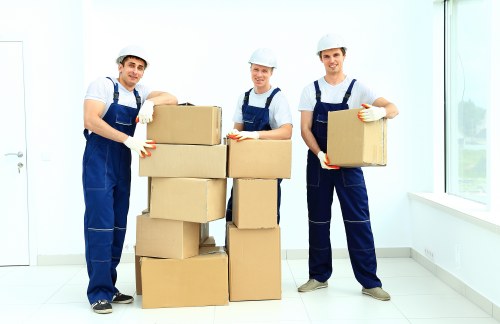 Clients and other site occupants also contribute to safe working conditions by keeping access paths clear, advising of known hazards, and making staff aware of fragile, unstable, or unusually heavy items. Clear communication helps prevent accidents and allows the team to plan movements efficiently. A shared commitment to safety is essential throughout the moving process.
Risk Assessment and Safe Working Practices
Before work starts, a risk assessment may be completed to identify hazards such as uneven flooring, narrow stairways, low lighting, restricted parking, or awkward item sizes. Where risks are identified, suitable measures will be introduced. These may include additional staff, specialist handling equipment, altered sequencing of tasks, or temporary restriction of access to specific areas.
Manual handling is one of the main risk areas in the removals industry. To minimise strain and injury, staff are trained to assess weight, shape, balance, and grip before lifting. Where possible, items should be lifted by two or more people, and mechanical aids should be used for larger objects. Good posture, controlled movements, and proper planning are central to safe lifting practice.
Work areas must be kept tidy and free from unnecessary obstacles. Cables, loose packaging, wet surfaces, and poorly stored items can create hazards if left unmanaged. The team is expected to maintain a clean and organised workspace during the move, ensuring that routes remain clear and that items are placed safely once unloaded.  Particular care is taken when working near doors, stairs, lifts, and vehicle loading points.
Equipment, Vehicles, and Protective Measures
All equipment used by Mill Hill Removals must be appropriate for the task and maintained in good condition. Trolleys, straps, blankets, lifting aids, and other handling tools should be checked regularly so that defects can be identified and addressed. Any damaged or unsuitable equipment must not be used. Proper maintenance supports both safety and efficiency across every move.
Vehicles must be loaded with care to prevent shifting, collapsing, or overloading. Items should be secured properly to protect both the load and those handling it. Drivers are expected to operate vehicles responsibly, observe road safety requirements, and carry out basic checks before use. Safe transport is a vital part of the overall removals health and safety policy.
Where needed, personal protective equipment may be used to reduce common risks. This can include gloves, high-visibility clothing, or footwear with suitable grip and support. PPE does not replace safe behaviour, but it adds an important layer of protection when handling heavy or awkward items, moving through active workspaces, or working in poor weather conditions.
Training, Reporting, and Continuous Improvement
Training is an essential part of this policy. Staff receive guidance on manual handling, hazard awareness, equipment use, customer property care, and emergency response. Refresher training may be provided to reinforce best practice and address any changes in working methods. A well-trained team is better prepared to recognise risk and respond appropriately.
Any accident, near miss, damage incident, or unsafe condition must be reported as soon as possible. Reporting allows the company to investigate what happened, identify the cause, and prevent recurrence. We encourage a culture of openness where staff can raise concerns without hesitation. This approach helps strengthen the overall health and safety policy and supports long-term improvement.

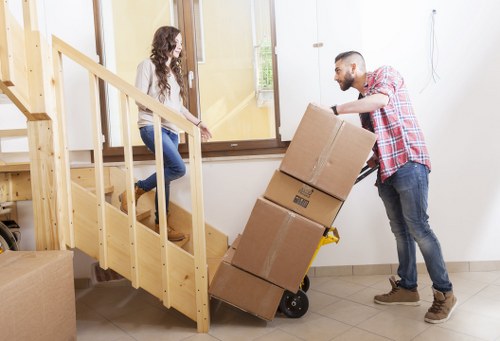 This policy will be reviewed regularly to ensure it remains suitable, effective, and aligned with the practical demands of removal work. As methods, equipment, and operational needs change, improvements will be made to keep standards high. Mill Hill Removals is committed to protecting people, property, and working conditions through responsible action, clear procedures, and a constant focus on safety.